Nagarathar Heritageநாகரத்தார் மரபு

A Journey of Trade, Tradition, Architecture & Communityவணிகம், மரபு, கட்டிடக்கலை மற்றும் சமூகப் பெருமையின் பயணம்

Read the storyகதையைப் படிக்கContentsஉள்ளடக்கம்

Contentsஉள்ளடக்கம்

Explore the heritageமரபை ஆராயுங்கள்

01

Nagaratharநாகரத்தார்

A Heritage Built on Enterprise, Community & Traditionவணிகம், சமூக ஒற்றுமை மற்றும் மரபால் உருவான வரலாறு

For centuries, the Nagarathars—also widely known as the Nattukottai Chettiars—have been an important mercantile community of Tamil Nadu.

Their story extends far beyond commerce. It is a story of migration, entrepreneurship, philanthropy, temple traditions, distinctive architecture, overseas trade, family networks and an enduring commitment to education and community life.

From the historic Chettinad region of Tamil Nadu to trading centres across South and Southeast Asia, Nagarathar communities created networks that connected people, markets and cultures across the seas.

Their magnificent mansions, temples, festivals, cuisine, rituals and charitable institutions continue to preserve this heritage.

பல நூற்றாண்டுகளாக, தமிழ்நாட்டின் வணிக வரலாற்றிலும் சமூக வளர்ச்சியிலும் முக்கிய பங்கு வகித்த சமூகமாக நாகரத்தார், பொதுவாக நாட்டுக்கோட்டைச் செட்டியார் என்றும் அழைக்கப்படுபவர்கள் திகழ்கின்றனர்.

அவர்களின் வரலாறு வணிகத்தை மட்டும் சார்ந்ததல்ல.

இது இடம்பெயர்வு, தொழில்முனைவு, சமூக ஒற்றுமை, கோயில் மரபுகள், தனித்துவமான கட்டிடக்கலை, கடல் கடந்த வணிகம், குடும்ப வலையமைப்பு, கல்வி மற்றும் அறப்பணிகள் ஆகியவற்றை உள்ளடக்கிய ஒரு நீண்ட பயணம்.

தமிழ்நாட்டின் வரலாற்றுச் சிறப்புமிக்க செட்டிநாடு பகுதியிலிருந்து தென்னிந்தியா மற்றும் தென்கிழக்காசியாவின் பல வணிக மையங்கள் வரை, நாகரத்தார் வணிக வலையமைப்புகள் கடல்களைக் கடந்து மனிதர்கள், சந்தைகள் மற்றும் பண்பாடுகளை இணைத்தன.

அவர்களின் பிரமாண்டமான மாளிகைகள், கோயில்கள், திருவிழாக்கள், உணவு மரபுகள், சடங்குகள் மற்றும் அறப்பணிகள் இன்றும் இந்த பாரம்பரியத்தை உயிர்ப்புடன் காத்து வருகின்றன.

A living heritage — carried from generation to generation.தலைமுறைகள் கடந்து வாழும் மரபு.
02

Who Are the Nagarathars?நாகரத்தார் யார்?

The Nagarathars are a Tamil mercantile community historically associated with the Chettinad region of Tamil Nadu.

The community developed an extensive network of commerce, finance and social institutions. Their activities were not confined to their home region. Nagarathar merchants travelled and established commercial connections across different parts of India and overseas, particularly in Sri Lanka, Myanmar, Malaysia, Singapore and other parts of Southeast Asia.

Their community life traditionally placed strong importance on:

  • Family and kinship
  • Temple institutions
  • Community organization
  • Education
  • Trade and finance
  • Philanthropy
  • Hospitality
  • Cultural preservation

The Nagarathar identity is therefore closely connected with both enterprise and collective responsibility.

நாகரத்தார் என்பது வரலாற்று ரீதியாக தமிழ்நாட்டின் செட்டிநாடு பகுதியுடன் தொடர்புடைய தமிழ் வணிகச் சமூகமாகும்.

வணிகம், நிதி மற்றும் சமூக நிறுவனங்களை மையமாகக் கொண்டு நாகரத்தார் சமூகமானது விரிவான வலையமைப்பை உருவாக்கியது.

அவர்களின் செயல்பாடுகள் தாயகப் பகுதிக்குள் மட்டுப்படவில்லை. இந்தியாவின் பல பகுதிகளிலும், குறிப்பாக இலங்கை, மியான்மர், மலேசியா, சிங்கப்பூர் மற்றும் தென்கிழக்காசியாவின் பல பகுதிகளிலும் நாகரத்தார் வணிகத் தொடர்புகளை ஏற்படுத்தினர்.

அவர்களின் சமூக வாழ்க்கையில் முக்கிய இடம் பெற்றவை:

  • குடும்பம் மற்றும் உறவுமுறை
  • கோயில் மரபுகள்
  • சமூக அமைப்பு
  • கல்வி
  • வணிகம் மற்றும் நிதி
  • அறப்பணிகள்
  • விருந்தோம்பல்
  • பண்பாட்டு பாதுகாப்பு

இதனால் நாகரத்தார் அடையாளம் தொழில்முனைவு மற்றும் சமூகப் பொறுப்பு ஆகிய இரண்டுடனும் நெருக்கமாக இணைந்துள்ளது.

03

Origins & Early Historyதோற்றமும் தொடக்க வரலாறும்

The early history of the Nagarathars contains traditions, community narratives and historical evidence that developed over different periods.

Nagarathar traditions connect the community with ancient Tamil mercantile traditions and with important settlements and temple centres in Tamil Nadu.

Over time, historical circumstances encouraged migration and the establishment of new settlements. The community eventually became strongly associated with the Chettinad region, where distinctive settlements developed around temples, streets and large ancestral residences.

Rather than being a single moment of origin, Nagarathar history can be understood as a long process of movement, settlement, trade and community formation.

நாகரத்தார்களின் தொடக்க வரலாற்றில் சமூக மரபுகள், வாய்மொழிக் கதைகள் மற்றும் பல்வேறு காலகட்டங்களுக்குரிய வரலாற்றுச் சான்றுகள் ஒன்றோடொன்று இணைந்துள்ளன.

பண்டைய தமிழ் வணிக மரபுகளுடனும் தமிழ்நாட்டின் முக்கிய குடியிருப்புகள் மற்றும் கோயில் மையங்களுடனும் நாகரத்தார் மரபுகள் தொடர்புபடுத்தப்படுகின்றன.

காலப்போக்கில் ஏற்பட்ட பல்வேறு வரலாற்றுச் சூழ்நிலைகள் இடம்பெயர்வுகளுக்கும் புதிய குடியிருப்புகள் உருவாகுவதற்கும் வழிவகுத்தன.

பின்னர் செட்டிநாடு நாகரத்தார்களின் முக்கிய வாழ்விடமாக உருவானது. கோயில்கள், தெருக்கள் மற்றும் பிரமாண்டமான மூதாதையர் மாளிகைகளை மையமாகக் கொண்ட தனித்துவமான குடியிருப்பு அமைப்பு அங்கு வளர்ந்தது.

எனவே நாகரத்தார் வரலாற்றை ஒரு குறிப்பிட்ட காலத்தில் தொடங்கிய வரலாறாக மட்டுமல்லாமல், இடம்பெயர்வு, குடியேற்றம், வணிகம் மற்றும் சமூக உருவாக்கம் ஆகியவற்றின் நீண்ட பயணமாகப் புரிந்துகொள்ளலாம்.

04

Chettinadசெட்டிநாடு

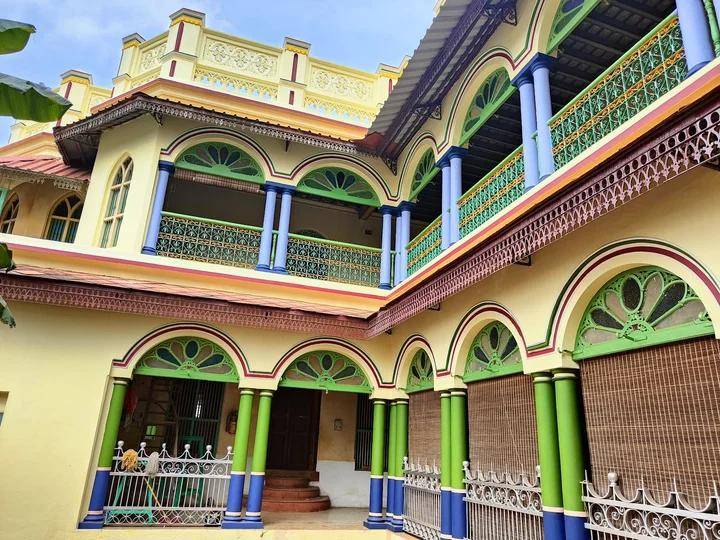
Chettinad became the cultural heartland most strongly associated with the Nagarathars.

The region is renowned for its grand residences, temples, wide streets, traditional water systems and carefully planned settlements.

The landscape reflects a community that combined:

  • Commerce
  • Family
  • Religion
  • Architecture
  • Community

Chettinad homes were not merely residences. They were spaces where families lived, ceremonies were conducted, guests were welcomed and generations of family history were preserved.

நாகரத்தார்களின் பண்பாட்டு அடையாளத்துடன் மிகவும் நெருக்கமாக இணைந்த நிலப்பகுதியாக செட்டிநாடுவிளங்குகிறது.

பிரமாண்டமான மாளிகைகள், கோயில்கள், அகன்ற தெருக்கள், பாரம்பரிய நீரமைப்புகள் மற்றும் திட்டமிட்ட குடியிருப்புகள் ஆகியவற்றால் இப்பகுதி சிறப்புப் பெற்றது.

இப்பகுதியின் வாழ்க்கைமுறை:

  • வணிகம்
  • குடும்பம்
  • சமயம்
  • கட்டிடக்கலை
  • சமூக ஒற்றுமை

என்ற ஐந்து கூறுகளின் ஒருங்கிணைப்பை பிரதிபலிக்கிறது.

செட்டிநாட்டு வீடுகள் வெறும் குடியிருப்புகள் அல்ல.

அவை குடும்ப வாழ்க்கை நடைபெற்ற இடங்களாகவும், திருமணம் மற்றும் சடங்குகள் நடைபெற்ற இடங்களாகவும், விருந்தினர்கள் வரவேற்கப்பட்ட இடங்களாகவும், தலைமுறைகளின் நினைவுகள் பாதுகாக்கப்பட்ட இடங்களாகவும் இருந்தன.

05

The 96 Villages96 ஊர்கள்

Traditional Nagarathar identity is closely associated with a network of historic settlements often referred to as the 96 villages.

These settlements formed an important geographical and social framework for community life.

Each village had its own traditions, temples, streets, houses and family histories, while remaining connected through wider community institutions and kinship networks.

The village system helped preserve:

  • Community identity
  • Temple traditions
  • Family relationships
  • Marriage customs
  • Social responsibilities
  • Collective celebrations

நாகரத்தார் சமூக அடையாளத்துடன் வரலாற்று ரீதியாக நெருக்கமாக தொடர்புடைய குடியிருப்பு அமைப்புகளில் முக்கியமானது 96 ஊர்கள் எனப் பொதுவாகக் குறிப்பிடப்படும் மரபாகும்.

இந்த ஊர்கள் சமூக வாழ்க்கையின் முக்கிய புவியியல் மற்றும் சமூக அடித்தளமாக விளங்கின.

ஒவ்வொரு ஊருக்கும் தனித்துவமான கோயில்கள், தெருக்கள், வீடுகள், குடும்ப வரலாறுகள் மற்றும் உள்ளூர் மரபுகள் இருந்தாலும், அவை பரந்த சமூக நிறுவனங்கள் மற்றும் உறவுமுறை வலையமைப்புகளால் ஒன்றோடொன்று இணைக்கப்பட்டிருந்தன.

இந்த ஊர் அமைப்பு:

  • சமூக அடையாளம்
  • கோயில் மரபு
  • குடும்ப உறவுகள்
  • திருமண நடைமுறைகள்
  • சமூகப் பொறுப்பு
  • கூட்டு விழாக்கள்

ஆகியவற்றை தலைமுறைகள் கடந்து பாதுகாக்க உதவியது.

06

Trade & Merchant Networksவணிகமும் வணிகப் பாதைகளும்

One of the most remarkable aspects of Nagarathar history is the geographical reach of its merchant networks.

Nagarathar merchants were associated with commerce and finance in various parts of India and overseas.

Historical connections extended to regions including:

  1. Sri Lanka
  2. Myanmar
  3. Malaya
  4. Singapore
  5. Southeast Asia

These networks enabled the movement of:

  • Money
  • Goods
  • Information
  • Business relationships
  • Cultural practices

Their commercial world was built not only on individual merchants but also on trust, family networks, partnerships and community institutions.

நாகரத்தார் வரலாற்றின் குறிப்பிடத்தக்க அம்சங்களில் ஒன்று அவர்களின் வணிக வலையமைப்பின் பரந்த பரப்பாகும்.

இந்தியாவின் பல பகுதிகளிலும், இந்தியாவுக்கு வெளியேயும் நாகரத்தார் வணிகர்கள் மற்றும் நிதி நடவடிக்கைகளுடன் தொடர்புடையிருந்தனர்.

வரலாற்று வணிகத் தொடர்புகள்:

  1. இலங்கை
  2. மியான்மர்
  3. மலாயா
  4. சிங்கப்பூர்
  5. தென்கிழக்காசியா

போன்ற பகுதிகளுக்கு விரிந்திருந்தன.

இந்த வலையமைப்புகள் மூலம்:

  • பணம்
  • பொருட்கள்
  • தகவல்கள்
  • வணிக உறவுகள்
  • பண்பாட்டு நடைமுறைகள்

பரிமாறப்பட்டன.

இந்த வணிக உலகம் தனிநபர் வணிகர்களை மட்டுமல்லாமல் நம்பிக்கை, குடும்ப வலையமைப்பு, கூட்டாண்மை மற்றும் சமூக நிறுவனங்கள் ஆகியவற்றையும் அடிப்படையாகக் கொண்டிருந்தது.

07

Banking & Financeவங்கியியல் மற்றும் நிதி மரபு

Nagarathar merchants became particularly prominent in money-lending, banking and financial services across several regions of South and Southeast Asia.

Their financial activities supported merchants, agricultural communities and businesses.

Their system depended heavily on personal trust, reputation, accounting practices and networks connecting one town to another.

This created a distinctive commercial culture where reputation itself became a form of capital.

தென்னிந்தியா மற்றும் தென்கிழக்காசியாவின் பல பகுதிகளில் பணக்கடன், வங்கியியல் மற்றும் நிதிச் சேவைகளில் நாகரத்தார் வணிகர்கள் குறிப்பிடத்தக்க பங்காற்றினர்.

அவர்களின் நிதி நடவடிக்கைகள் வணிகர்கள், விவசாய சமூகங்கள் மற்றும் பல்வேறு தொழில்களுக்கு ஆதரவாக இருந்தன.

தனிநபர் நம்பிக்கை, நற்பெயர், கணக்கியல் நடைமுறைகள் மற்றும் பல ஊர்களை இணைத்த வணிக வலையமைப்புகள் இவர்களின் நிதி முறையின் முக்கிய அடித்தளங்களாக இருந்தன.

இதன் மூலம் நற்பெயரே ஒரு வகையான மூலதனமாகக் கருதப்பட்ட வணிகப் பண்பாடு உருவானது.

08

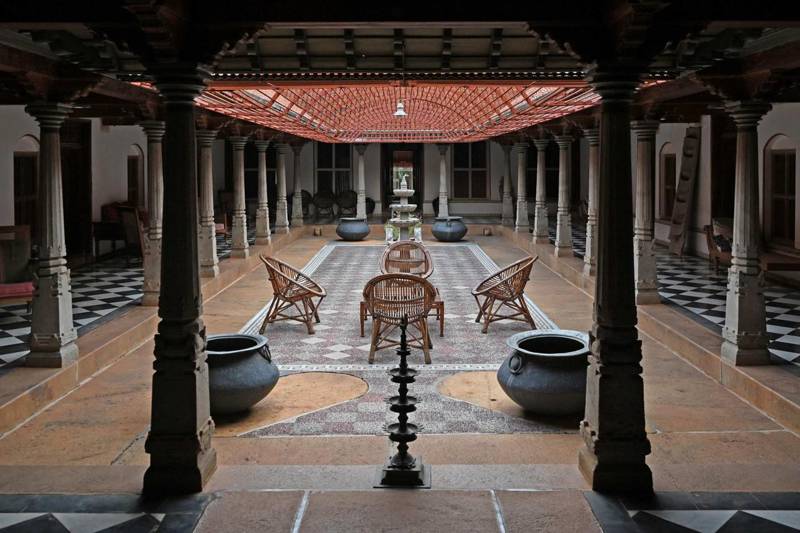
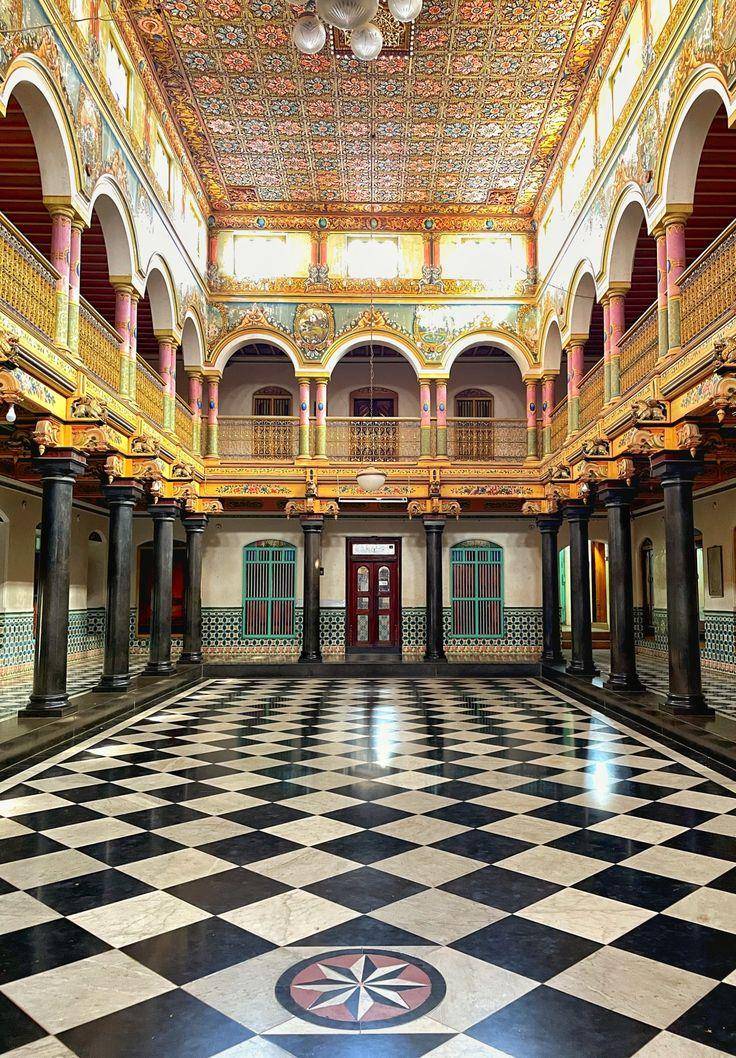
Nagarathar Architectureநாகரத்தார் கட்டிடக்கலை

Nagarathar architecture is one of the most recognizable expressions of Chettinad heritage.

Traditional mansions often contain:

  1. Entrance
  2. Thinnai
  3. Courtyard
  4. Inner Halls
  5. Family Spaces
  6. Rear Courtyard

Features include:

  • Long axial layouts
  • Multiple courtyards
  • High ceilings
  • Ornamental pillars
  • Athangudi tiles
  • Carved wooden elements
  • European, Indian and Southeast Asian decorative influences
  • Large ceremonial spaces

The architecture reflects both local Tamil traditions and the community's international commercial connections.

நாகரத்தார் கட்டிடக்கலை செட்டிநாட்டின் மிகத் தனித்துவமான பாரம்பரிய அடையாளங்களில் ஒன்றாகும்.

பாரம்பரிய மாளிகைகளில் பொதுவாக:

  1. வாசல்
  2. திண்ணை
  3. முற்றம்
  4. உள் மண்டபங்கள்
  5. குடும்பப் பகுதிகள்
  6. பின்முற்றம்

என்ற அமைப்பைக் காணலாம்.

முக்கிய அம்சங்கள்:

  • நீளமான அச்சு அமைப்பு
  • பல முற்றங்கள்
  • உயரமான கூரைகள்
  • அலங்காரத் தூண்கள்
  • ஆதங்குடி ஓடுகள்
  • செதுக்கப்பட்ட மரப்பணிகள்
  • இந்திய, ஐரோப்பிய மற்றும் தென்கிழக்காசிய அலங்காரத் தாக்கங்கள்
  • பெரிய சடங்கு மற்றும் விழா மண்டபங்கள்

இந்த கட்டிடக்கலை உள்ளூர் தமிழ் மரபையும், வெளிநாடுகளுடனான நாகரத்தார்களின் வணிகத் தொடர்புகளையும் ஒருங்கிணைத்துக் காட்டுகிறது.

09

Food & Cuisineஉணவும் உணவு மரபும்

Chettinad cuisine is one of the most recognizable culinary traditions associated with the community.

The cuisine is known for its aromatic spice combinations, carefully prepared masalas and distinctive methods of cooking.

Commonly associated dishes include:

  • Kuzhi Paniyaram
  • Vellai Paniyaram
  • Kandharappam
  • Athirasam
  • Thenkuzhal
  • Sevu
  • Kara Kuzhambu
  • Vegetable preparations
  • Traditional rice dishes
  • Festival sweets and snacks

Food was closely connected with hospitality, festivals, ceremonies and family gatherings.

செட்டிநாட்டு சமையல் நாகரத்தார் சமூகத்துடன் நெருக்கமாகத் தொடர்புடைய புகழ்பெற்ற உணவு மரபுகளில் ஒன்றாகும்.

நறுமணமிக்க மசாலா கலவைகள், பாரம்பரிய அரைத்த மசாலாக்கள் மற்றும் தனித்துவமான சமையல் முறைகள் இதன் சிறப்பம்சங்களாகும்.

பிரபலமான பாரம்பரிய உணவுகளில்:

  • குழி பணியாரம்
  • வெள்ளைப் பணியாரம்
  • கந்தரப்பம்
  • அதிரசம்
  • தேன்குழல்
  • சேவு
  • காரக் குழம்பு
  • பாரம்பரிய காய்கறி உணவுகள்
  • அரிசி உணவுகள்
  • திருவிழா இனிப்புகள் மற்றும் பலகாரங்கள்

ஆகியவை அடங்கும்.

உணவு என்பது வெறும் பசியாற்றும் செயல் அல்ல; அது விருந்தோம்பல், திருவிழா, சடங்கு மற்றும் குடும்ப ஒன்று கூடலுடன் இணைந்த பண்பாட்டு மரபாக இருந்தது.

10

Festivals & Ritualsதிருவிழாக்களும் சடங்குகளும்

Temple worship forms an important part of traditional Nagarathar community life.

Festivals bring together families from different places and strengthen relationships between households, temples and community institutions.

Important occasions include:

  • Tamil New Year
  • Pongal
  • Deepavali
  • Navaratri
  • Karthigai Deepam
  • Temple festivals
  • Family ceremonies
  • Weddings
  • Community gatherings

Temple festivals traditionally functioned not only as religious events but also as important occasions for social interaction and community identity.

கோயில் வழிபாடு பாரம்பரிய நாகரத்தார் சமூக வாழ்க்கையின் முக்கிய அங்கமாகும்.

திருவிழாக்கள் பல்வேறு இடங்களில் வாழும் குடும்பங்களை ஒன்றிணைத்து, குடும்பங்கள், கோயில்கள் மற்றும் சமூக நிறுவனங்களுக்கிடையேயான உறவுகளை வலுப்படுத்துகின்றன.

முக்கியமான நிகழ்வுகள்:

  • தமிழ் புத்தாண்டு
  • பொங்கல்
  • தீபாவளி
  • நவராத்திரி
  • கார்த்திகை தீபம்
  • கோயில் திருவிழாக்கள்
  • குடும்பச் சடங்குகள்
  • திருமணங்கள்
  • சமூக ஒன்று கூடல்கள்

கோயில் திருவிழாக்கள் சமய நிகழ்வுகளாக மட்டுமல்லாமல் சமூக உறவுகளையும் சமூக அடையாளத்தையும் வலுப்படுத்தும் நிகழ்வுகளாகவும் இருந்தன.

11

Temples & Community Identityகோயில்களும் சமூக அடையாளமும்

For the Nagarathar community, temples have traditionally served as more than places of worship.

They have been centres of:

  • Faith
  • Family
  • Community
  • Heritage

Temple relationships are closely connected with community organization, rituals and family traditions.

Many historic temples associated with Nagarathar heritage preserve inscriptions, architectural features, festivals and traditions that provide valuable insight into the community's past.

நாகரத்தார் சமூகத்தில் கோயில்கள் வழிபாட்டுத் தலங்களாக மட்டுமல்லாமல் பல்வேறு சமூக மற்றும் பண்பாட்டு செயல்பாடுகளின் மையங்களாகவும் விளங்கின.

அவை:

  • நம்பிக்கை
  • குடும்பம்
  • சமூகம்
  • பாரம்பரியம்

ஆகியவற்றை இணைக்கும் மையங்களாக இருந்தன.

கோயில் தொடர்புகள் சமூக அமைப்பு, சடங்குகள் மற்றும் குடும்ப மரபுகளுடன் நெருக்கமாக இணைந்திருந்தன.

நாகரத்தார் மரபுடன் தொடர்புடைய பல வரலாற்றுச் சிறப்புமிக்க கோயில்களில் கல்வெட்டுகள், கட்டிடக்கலை அம்சங்கள், திருவிழாக்கள் மற்றும் பழமையான நடைமுறைகள் பாதுகாக்கப்பட்டுள்ளன.

12

Marriage & Familyதிருமணமும் குடும்பமும்

Family has traditionally been at the heart of Nagarathar social organization.

Marriage was not simply a union between two individuals. It traditionally connected families, kinship networks and community relationships.

Ceremonies involved carefully preserved customs, traditional food, music, jewellery, clothing and rituals.

The large Chettinad houses were particularly suited to such occasions, with courtyards and halls capable of accommodating extended families and guests.

நாகரத்தார் சமூக அமைப்பின் மையத்தில் குடும்பம் முக்கிய இடம் பெற்றுள்ளது.

திருமணம் என்பது இரு தனிநபர்களின் இணைவு மட்டுமல்ல; பாரம்பரியமாக அது குடும்பங்கள், உறவுமுறைகள் மற்றும் சமூகத் தொடர்புகளை இணைக்கும் நிகழ்வாகவும் அமைந்தது.

திருமணங்களில் உணவு, இசை, நகைகள், ஆடை, சடங்குகள் மற்றும் பல தலைமுறைகளாகப் பாதுகாக்கப்பட்ட வழக்கங்கள் இடம்பெற்றன.

செட்டிநாட்டு பெரிய மாளிகைகளில் உள்ள முற்றங்களும் மண்டபங்களும் பெரிய குடும்பங்களையும் விருந்தினர்களையும் வரவேற்கும் வகையில் அமைந்திருந்தன.

13

Women & Household Traditionsபெண்களும் இல்லற மரபுகளும்

Women played a central role in preserving household traditions.

They contributed to:

  • Food traditions
  • Ritual practices
  • Household management
  • Textile and clothing traditions
  • Marriage ceremonies
  • Children's cultural education
  • Preservation of family customs

The home therefore became an important place where cultural knowledge was transmitted from one generation to another.

குடும்ப மரபுகளை தலைமுறைகளுக்கு எடுத்துச் செல்வதில் பெண்கள் முக்கியப் பங்கு வகித்தனர்.

அவர்கள்:

  • உணவு மரபுகள்
  • சடங்கு நடைமுறைகள்
  • இல்லற நிர்வாகம்
  • ஆடை மற்றும் துணி மரபுகள்
  • திருமணச் சடங்குகள்
  • குழந்தைகளின் பண்பாட்டு கல்வி
  • குடும்ப வழக்கங்களின் பாதுகாப்பு

ஆகியவற்றில் முக்கிய பங்களிப்பை வழங்கினர்.

இதனால் வீடு என்பது ஒரு குடியிருப்பாக மட்டுமல்லாமல், ஒரு தலைமுறையிலிருந்து அடுத்த தலைமுறைக்கு பண்பாட்டு அறிவு கடத்தப்படும் இடமாகவும் இருந்தது.

14

Education & Philanthropyகல்வியும் அறப்பணிகளும்

Philanthropy became an important part of Nagarathar public life.

Members of the community contributed to:

  • Schools
  • Colleges
  • Hostels
  • Hospitals
  • Temples
  • Water facilities
  • Feeding institutions
  • Public buildings
  • Scholarships
  • Community welfare

Educational institutions established or supported by philanthropists from the community became part of Tamil Nadu's wider educational history.

அறப்பணி நாகரத்தார் சமூக வாழ்க்கையின் முக்கிய அம்சமாக வளர்ந்தது.

சமூக உறுப்பினர்கள்:

  • பள்ளிகள்
  • கல்லூரிகள்
  • மாணவர் விடுதிகள்
  • மருத்துவமனைகள்
  • கோயில்கள்
  • குடிநீர் வசதிகள்
  • அன்னதான நிறுவனங்கள்
  • பொதுக் கட்டிடங்கள்
  • கல்வி உதவித்தொகைகள்
  • சமூக நலத் திட்டங்கள்

போன்ற பல துறைகளுக்கு பங்களித்தனர்.

சமூகத்தின் அறப்பணியாளர்களால் உருவாக்கப்பட்ட அல்லது ஆதரிக்கப்பட்ட கல்வி நிறுவனங்கள் தமிழ்நாட்டின் விரிவான கல்வி வரலாற்றிலும் ஒரு பகுதியாக அமைந்துள்ளன.

15

Global Nagaratharஉலகெங்கும் நாகரத்தார்

The Nagarathar story did not remain within Chettinad.

Migration and commercial activity created Nagarathar communities and family networks in many parts of the world.

Historically important overseas connections include:

  • Sri Lanka
  • Myanmar
  • Malaysia
  • Singapore
  • Other Southeast Asian regions

Today, Nagarathar families can also be found across major Indian cities and in countries around the world.

The community's global presence represents the continuation of a centuries-old tradition of mobility and enterprise.

நாகரத்தார்களின் வரலாறு செட்டிநாட்டுக்குள் மட்டுமே முடங்கவில்லை.

இடம்பெயர்வும் வணிக நடவடிக்கைகளும் உலகின் பல பகுதிகளில் நாகரத்தார் குடும்பங்களையும் சமூக வலையமைப்புகளையும் உருவாக்கின.

வரலாற்று முக்கியத்துவம் பெற்ற வெளிநாட்டு தொடர்புகளில்:

  • இலங்கை
  • மியான்மர்
  • மலேசியா
  • சிங்கப்பூர்
  • தென்கிழக்காசியாவின் பிற பகுதிகள்

ஆகியவை குறிப்பிடத்தக்கவை.

இன்றும் இந்தியாவின் முக்கிய நகரங்களிலும் உலகின் பல நாடுகளிலும் நாகரத்தார் குடும்பங்கள் வாழ்ந்து வருகின்றனர்.

இது பல நூற்றாண்டுகளாகத் தொடரும் இடம்பெயர்வு, வணிகம் மற்றும் தொழில்முனைவு மரபின் தொடர்ச்சியாகும்.

16

Language & Identityமொழியும் அடையாளமும்

Tamil remains a central element of Nagarathar cultural identity.

Family conversations, traditional songs, religious practices, ceremonies and written records have helped preserve Tamil across generations.

Alongside language, community identity has been carried through:

  • Food
  • Architecture
  • Temples
  • Rituals
  • Family Names
  • Festivals
  • Stories

தமிழ் மொழி நாகரத்தார் பண்பாட்டு அடையாளத்தின் முக்கிய அங்கமாகத் திகழ்கிறது.

குடும்ப உரையாடல்கள், பாரம்பரியப் பாடல்கள், சமய நடைமுறைகள், சடங்குகள் மற்றும் எழுத்துப் பதிவுகள் மூலம் தலைமுறைகள் கடந்தும் தமிழ் பாதுகாக்கப்பட்டுள்ளது.

மொழியுடன் சேர்ந்து சமூக அடையாளம்:

  • உணவு
  • கட்டிடக்கலை
  • கோயில்கள்
  • சடங்குகள்
  • குடும்பப் பெயர்கள்
  • திருவிழாக்கள்
  • கதைகள்

மூலம் தொடர்ந்து பரவியுள்ளது.

17

Dress & Ornamentsஉடை மற்றும் அணிகலன்கள்

Traditional clothing formed an important part of ceremonies and everyday community identity.

Men traditionally wore forms of veshti and shirt/angavastram, while women wore sarees suited to household, ceremonial and festive occasions.

Jewellery had both aesthetic and cultural significance, particularly during weddings and major family ceremonies.

பாரம்பரிய உடைகள் சமூகத்தின் அன்றாட வாழ்க்கையிலும் சடங்குகளிலும் முக்கிய இடம் பெற்றன.

ஆண்கள் பாரம்பரியமாக வேட்டி, சட்டை, அங்கவஸ்திரம் போன்ற ஆடைகளை அணிந்தனர். பெண்கள் குடும்ப நிகழ்வுகள், திருவிழாக்கள் மற்றும் அன்றாட வாழ்க்கைக்கு ஏற்ற சேலைகளை அணிந்தனர்.

குறிப்பாக திருமணம் மற்றும் முக்கிய குடும்ப நிகழ்வுகளில் நகைகள் அழகியல் மட்டுமல்லாமல் பண்பாட்டு முக்கியத்துவத்தையும் பெற்றிருந்தன.

18

Music, Arts & Craftஇசை, கலை மற்றும் கைவினை

Music, decorative arts and craftsmanship are deeply woven into Chettinad heritage.

Traditional houses display exceptional craftsmanship in:

  • Wood carving
  • Stone work
  • Metal work
  • Tile making
  • Decorative painting
  • Textile traditions

Ceremonial music, devotional traditions and folk practices have also contributed to the cultural landscape.

இசை, அலங்காரக் கலை மற்றும் கைவினை ஆகியவை செட்டிநாட்டு பாரம்பரியத்தில் ஆழமாகப் பின்னிப் பிணைந்துள்ளன.

பாரம்பரிய மாளிகைகளில்:

  • மரச்சிற்ப வேலைப்பாடு
  • கற்சிற்பம்
  • உலோக வேலைப்பாடு
  • ஓடு தயாரிப்பு
  • அலங்கார ஓவியம்
  • துணி மரபுகள்

போன்ற சிறப்பான கைவினைப் பணிகளை காணலாம்.

திருமண இசை, பக்திப் பாரம்பரியம் மற்றும் நாட்டுப்புற நடைமுறைகளும் இப்பண்பாட்டு உலகிற்கு பங்களித்துள்ளன.

19

The Nagarathar Legacyநாகரத்தார் மரபுச் செல்வம்

The Nagarathar legacy is not contained in a single monument or a single period of history.

It lives in:

The Housewhere generations lived.

The Templewhere faith and community met.

The Kitchenwhere recipes became heritage.

The Marketplacewhere enterprise created connections.

The Schoolwhere knowledge moved forward.

The Overseas Networkwhere Tamil commerce crossed the seas.

The Familywhere the story continues.

நாகரத்தார் மரபு என்பது ஒரு கட்டிடத்திலோ அல்லது ஒரு குறிப்பிட்ட காலகட்டத்திலோ மட்டும் அடங்கியதல்ல.

அது வாழ்வது:

வீட்டில்தலைமுறைகள் வாழ்ந்த இடத்தில்.

கோயிலில்நம்பிக்கையும் சமூகமும் சந்தித்த இடத்தில்.

சமையலறையில்உணவு மரபாக மாறிய இடத்தில்.

வணிகத் தளத்தில்தொழில்முனைவு உறவுகளை உருவாக்கிய இடத்தில்.

பள்ளியில்அறிவு அடுத்த தலைமுறைக்குச் சென்ற இடத்தில்.

கடல் கடந்த வலையமைப்புகளில்தமிழ் வணிகம் கடல்களைக் கடந்த இடத்தில்.

குடும்பத்தில்இந்தக் கதை இன்றும் தொடரும் இடத்தில்.

20

Timelineகாலவரிசை

  1. Early Tamil Mercantile Traditions
  2. Migration & Settlement
  3. Development of Chettinad Settlements
  4. Expansion of Trade Networks
  5. Overseas Commercial Connections
  6. Growth of Banking & Finance
  7. Philanthropy & Education
  8. Modern Global Nagarathar Community
  1. ஆரம்பகால தமிழ் வணிக மரபுகள்
  2. இடம்பெயர்வு மற்றும் குடியேற்றம்
  3. செட்டிநாட்டு குடியிருப்புகளின் வளர்ச்சி
  4. வணிக வலையமைப்புகளின் விரிவாக்கம்
  5. கடல் கடந்த வணிகத் தொடர்புகள்
  6. வங்கியியல் மற்றும் நிதித் துறையின் வளர்ச்சி
  7. அறப்பணி மற்றும் கல்வி வளர்ச்சி
  8. இன்றைய உலகளாவிய நாகரத்தார் சமூகம்
21

A Living Heritageஉயிருடன் வாழும் மரபு

The greatest strength of Nagarathar heritage is that it is not only preserved in museums and old buildings.

It continues through families, festivals, food, temples, language, businesses, education and community gatherings.

Every generation adds another chapter.

நாகரத்தார் மரபின் மிகப்பெரிய சிறப்பு, அது அருங்காட்சியகங்களிலும் பழமையான கட்டிடங்களிலும் மட்டுமே பாதுகாக்கப்படவில்லை என்பதே.

குடும்பங்கள், திருவிழாக்கள், உணவு, கோயில்கள், தமிழ் மொழி, தொழில், கல்வி மற்றும் சமூக ஒன்று கூடல்கள் வழியாக அது இன்றும் தொடர்ந்து வாழ்கிறது.

ஒவ்வொரு தலைமுறையும் இந்த வரலாற்றில் ஒரு புதிய அத்தியாயத்தைச் சேர்க்கிறது.

The heritage continues.மரபு தொடர்கிறது.